






6-7 October 2026, Waterford City
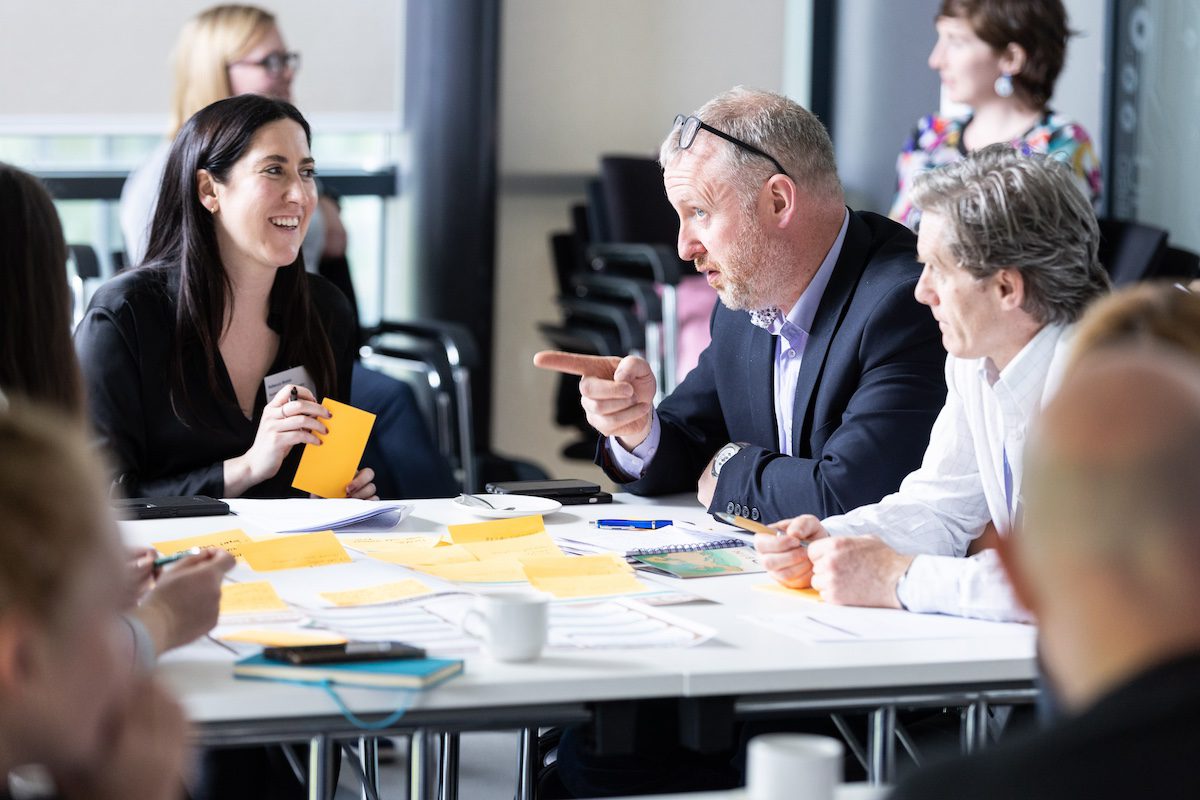
Driving Urban Regeneration by Mainstreaming the New European Bauhaus brings together European, national and regional leaders to explore how design, sustainability and inclusion can shape the future of urban regeneration and Cohesion Policy across Europe.
This high-level gathering will provide a unique forum for strategic discussion, knowledge exchange and collaboration, bringing together national and European perspectives on creating more sustainable, inclusive and beautiful places.
This is an invite only event.
This Associate Event under Ireland’s Presidency of the European Council is hosted by the Southern Regional Assembly, Waterford City and County Council, and South East Technological University.
About the event
The conference will focus on the opportunities and challenges associated with mainstreaming New European Bauhaus principles into urban regeneration policy.
The first day will examine Ireland’s experience of delivering sustainable urban development through initiatives such as Town Centre First, heritage-led regeneration and compact growth. Delegates will hear from representatives of the European Commission, national government, local authorities and academia on how New European Bauhaus principles are already being integrated into policy and practice. The programme will showcase case studies including Waterford’s Viking Triangle, explore the role of heritage in regeneration, and discuss how the Irish model could be replicated across Europe. A panel discussion will consider lessons learned and opportunities for strengthening urban regeneration through collaboration between government, local authorities and higher education institutions.
Day two will focus on the future of urban regeneration policy and funding, examining how the New European Bauhaus can serve as a strategic lever within future European programmes and the next Multiannual Financial Framework. Sessions will explore affordable housing, equality and human rights, citizen participation, heritage, research and innovation, and the emerging New European Bauhaus Facility. Through presentations and expert panel discussions, participants will consider how future funding mechanisms can help create urban centres that are more sustainable, inclusive, innovative and beautiful.
In addition to the conference programme, delegates will have opportunities for networking and knowledge exchange through hosted lunches, a conference dinner and guided visits to some of Waterford’s key regeneration and heritage sites.
All study visits will leave from the Theatre Royal, that opened in 1784, and, is Ireland’s oldest continually operating theatre designed famous Waterford Architect John Roberts. Lovingly restored, this Victorian gem hidden within a beautiful Georgian building is a jewel in the midst of Waterford’s Viking Triangle. Stops along the study visit include:
- Reginald’s Tower – Ireland’s oldest civic urban building built in 1280 and the only monument in Ireland to be named in honour of a Viking.
- King of the Vikings Experience – located in the ruins of the Friary built in 1240 which tells the story of Vikings in Waterford from the 9th to 12th century.
- Medieval Museum – which houses the finest collection of 15th Century cloth of gold vestments to survive anywhere in Northern Europe and the medieval charter, the Great Parchment Book 1356-1649. The chief architect for this building, Rupert Maddock, is the only local authority architect to ever receive the RIAI Gandon silver medal for architecture.
- Tir na nÓg @ Lady Lane – The largest 18th century townhouse on one of the oldest streets in Waterford City which is currently been converted into a children’s experience to create a magical journey of discovery that will be many children and adults first step into a lifetime journey or engaging with cultural institutions.
- The Bishop’s Palace – Built in 1740 is considered to be one of the finest 18th century ecclesiastical palaces in Ireland and houses the largest collection of 18th and 19th century Waterford Glass in the world.
The event will take place at the historic Theatre Royal, Waterford, X91 HE9R located in the heart of Ireland’s oldest city. Delegates will also have opportunities to experience Waterford’s rich heritage and regeneration projects through a programme of networking events and guided site visits.
Speakers

Dr Conor Norton
Moderator
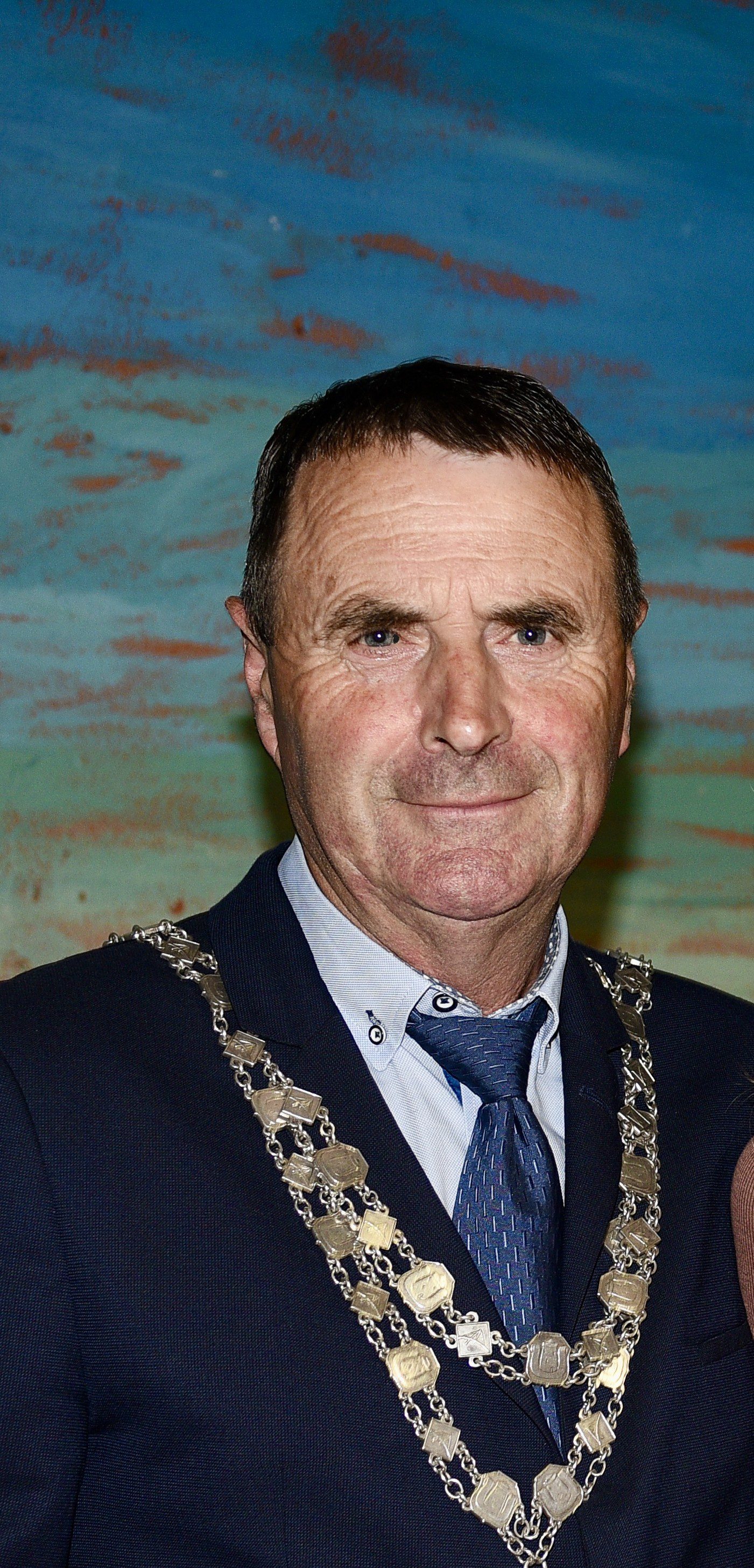
Mayor Liam Brazil
Mayor of Waterford City and County

Cllr Bobby O’Connell
Cathaoirleach, Southern Regional Assembly

Raffaele Fitto
Executive VP, DG REGIO, European Commission
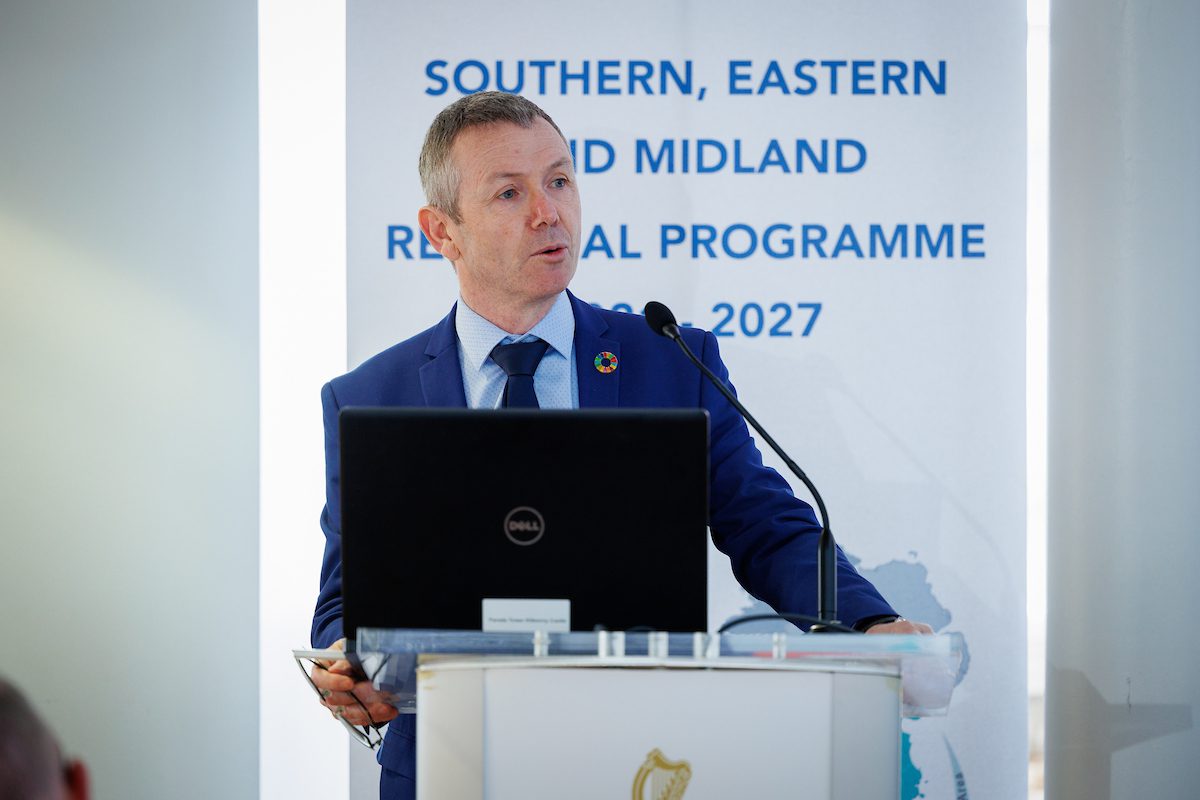
David Kelly
Director, Southern Regional Assembly
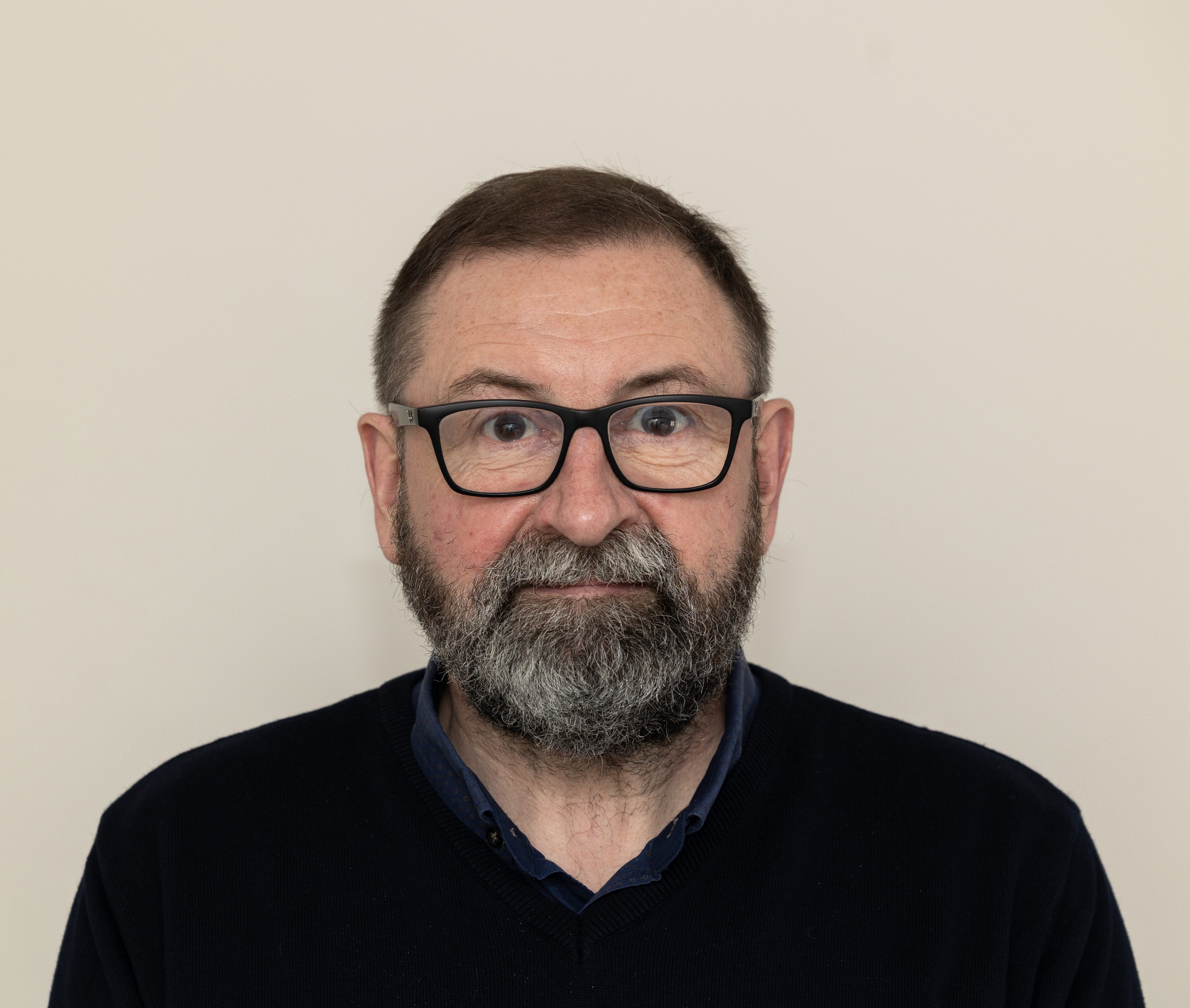
Morris Conway
Senior City Architect, Waterford City and County Council

Iulia-Mirela Serban
Head of Coordination of Programmes, DG REGIO, European Commission

Stewart Logan
Senior Advisor, Dept of Housing, Local Government and Heritage

Stephen Wall
PhD Researcher, University College Dublin
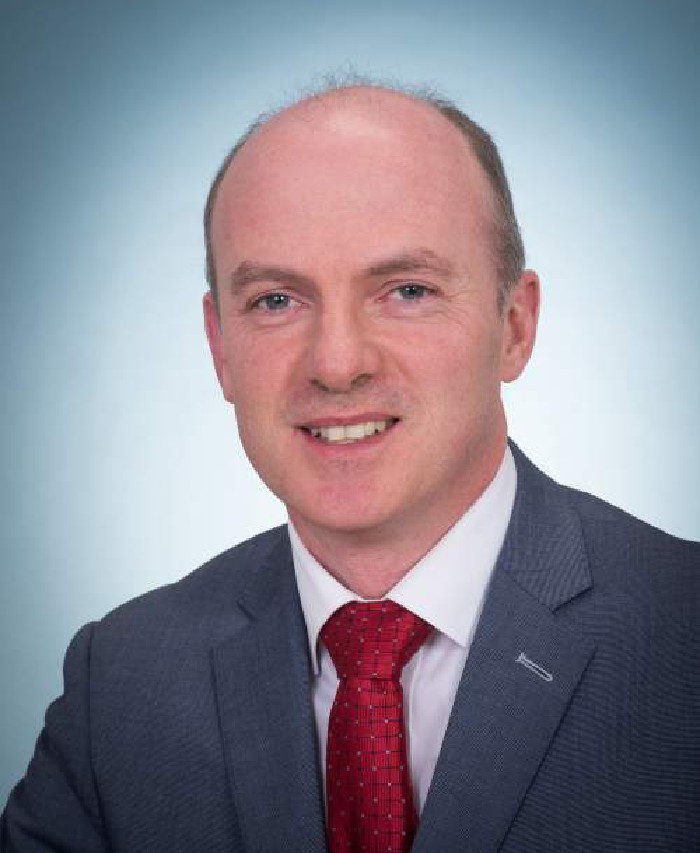
Enda Hogan
Assistant Director, Southern Regional Assembly

Michael Quinn
Director for Economic Development, Tourism and Place Making, Waterford City and County Council

Dr Robin Stubbs
Head of Department of Architecture and Built Environment, South East Technological University

Sean McKeown
Chief Executive of Waterford City and County Council

Professor Veronica Campbell
President, South East Technological University

Eamon Ryan
Chair of the European Housing Advisory Board

Ian Murphy
Public Sector Duty Manager, Irish Human Rights & Equality Commission
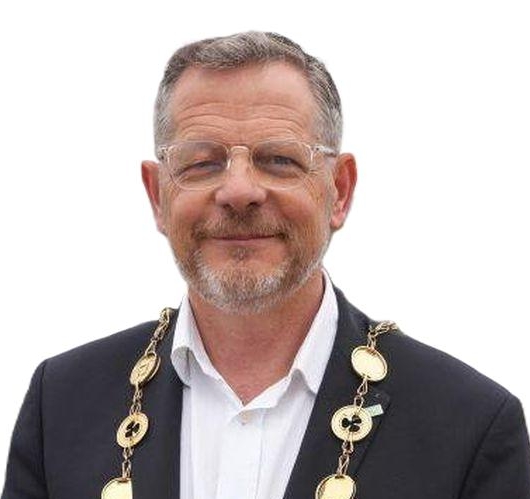
Mayor John Moran
Mayor of Limerick City and County

Eleni Feleki
Assent Consulting and URBACT Urban Regeneration Expert

Máire Henry
Architect, Urban Strategist and Founding Director, dhb Architects

Sophia Vlieger de Oliveira
Policy Officer for New European Bauhaus, Joint Research Centre, European Commission
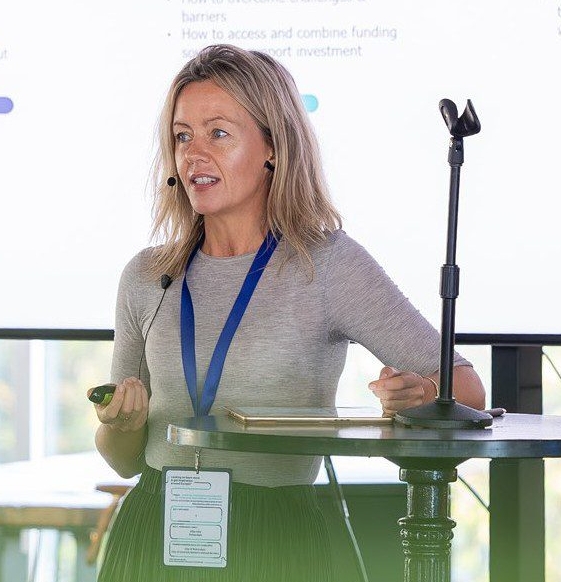
Eileen Crowley
Assent Consulting and URBACT Urban Regeneration Expert
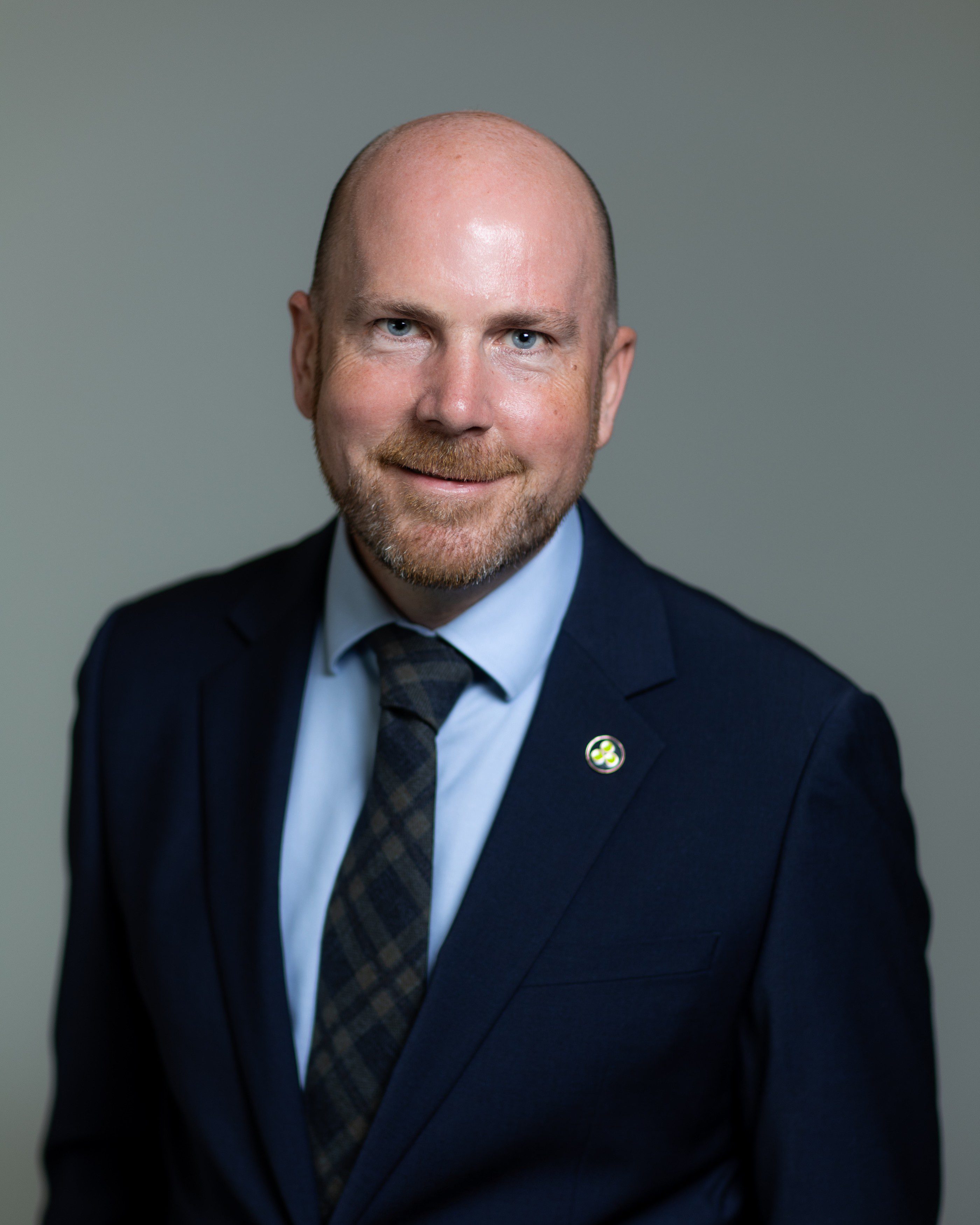
Dr Matt Kennedy
Global Head of Client Transformation, IDA Ireland and Member of the NEB Facility Expert Group

Dr Karl Murphy
European Union Affairs Officer and National Contact Point for European Urban Initiative and URBACT

Dr David Ryan
Vice-Principal for Sustainability, South East Technological University

Conor O’Neill
Senior Executive Engineer and Town Regeneration Officer, Waterford City and County Council
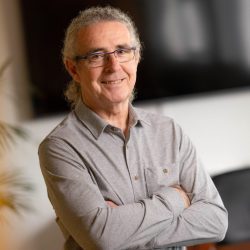
Philip Cheasty
National Contact Point New European Bauhaus Research and Innovation
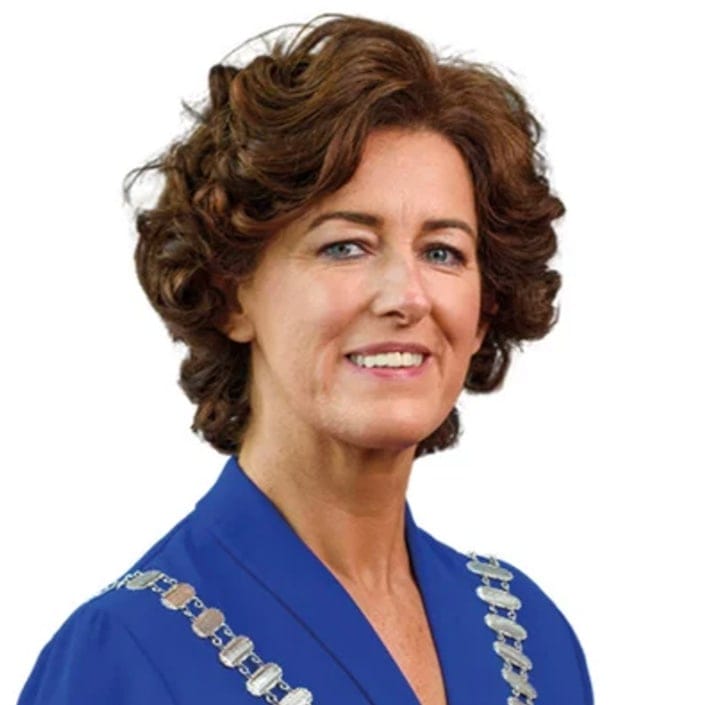
Cllr Gillian Coughlan
Head of Irish Delegation, Committee of the Regions
Travel and accommodation
How to get to Waterford:
Waterford is easily accessible by road, rail and public transport from across Ireland.
Train
The nearest train station to Theatre Royal is Waterford Plunkett Train Station (21 min walk)
From Dublin Airport
- Dublin Express, 782 to Heuston Train Station (cash needed). Then take direct train to Waterford Plunkett Station.
Bicycle
There is a TFI Bike station (12 min walk) located at 31 The Quay.
For more information, please see Waterford – TFI Bikes
Electric Vehicle (EV)
There are several EV charging stations close to Theatre Royal:
- Parnell Street
(3 min walk) - Bolton Street Car Park
(3 min walk) - 89 Merchants Quay
(12 min walk)
Use the TFI National Journey Planner to plan your visit to Waterford.
Accommodation
Join our newsletter today to receive the latest news on regional development, European funding opportunities, European projects, and free resources.
You’ll also get educational content and event updates delivered directly to your inbox.